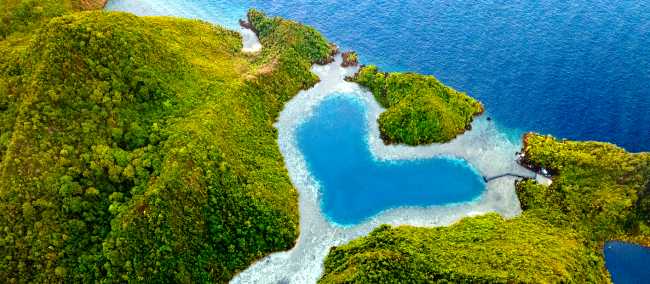
The incredible landscape of Raja Ampat | George Karbus Photography
Blog home / How to take part in Indonesia's coral restoration
Home to more than 17,000 islands and some of the richest marine environments on Earth, local communities in Indonesia are working to ensure these reefs continue to thrive for generations to come.
Through a growing network of conservation partnerships, On Water Expeditions guests can learn about reef restoration directly from the people leading the work and, in some destinations, even lend a hand.
It's a unique and fulfilling way to experience these remarkable ecosystems not just as a visitor, but as a participant.
The importance of coral restoration
Coral reefs support an extraordinary diversity of marine life. They provide habitat for countless species, help protect coastlines and support the livelihoods of coastal communities.
Like many marine ecosystems, however, reefs face increasing pressure from climate change, pollution, unsustainable fishing practices and coastal development.
Through coral restoration programs, damaged reef systems can begin to recover.
What does it involve?
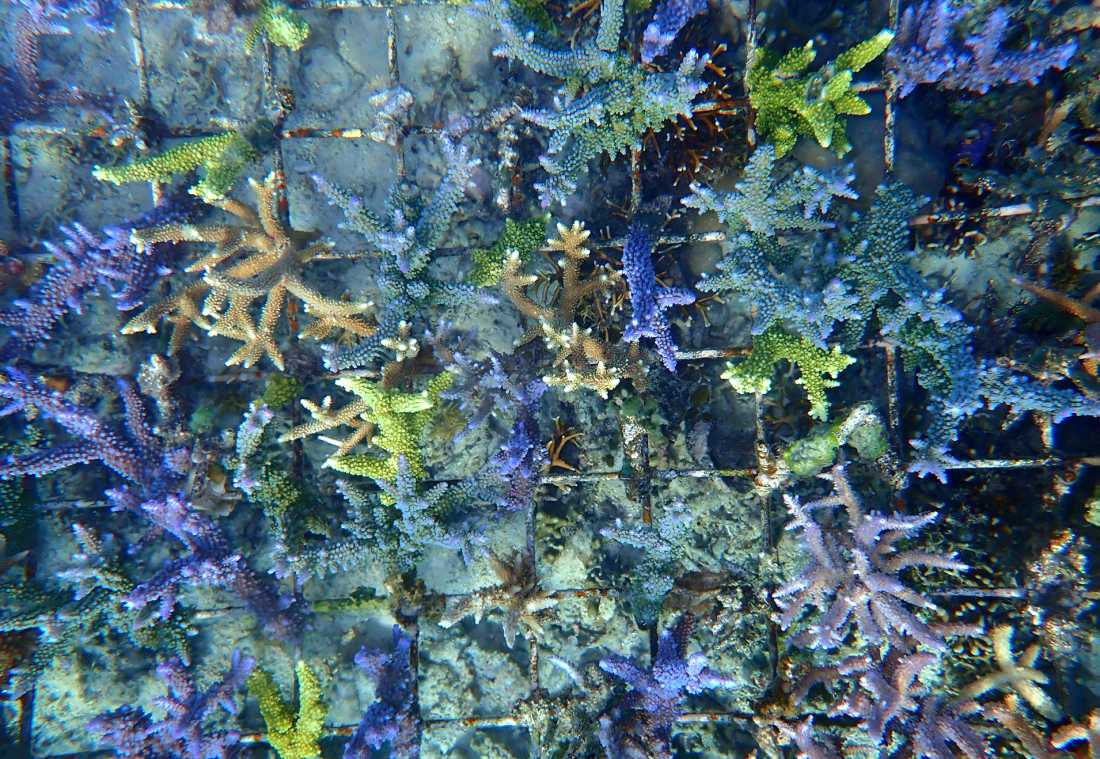
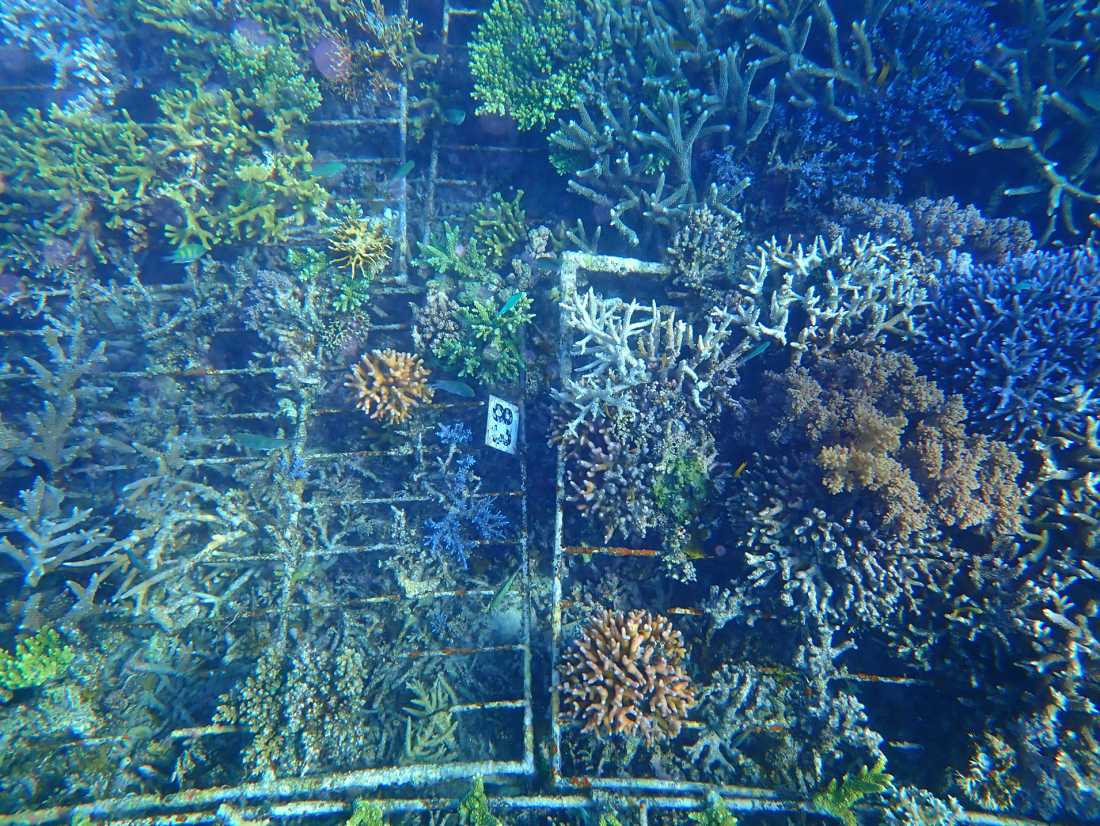
The process can take many forms, but often involves growing coral fragments in underwater nurseries before transplanting them onto restoration structures or degraded reef areas where they can continue to grow.
One of the most rewarding aspects of coral restoration is meeting the communities and organisations leading the work. Travellers are increasingly becoming part of that conservation story, with the opportunity to contribute to these reef restoration efforts during their voyage.
Across Indonesia, On Water Expeditions' local partners collaborate with grassroot conservation programs, including:
- Rinca Nursery Project in the Komodo region
- Sinara Kaimana in Southern West Papua
- Tompotika Foundation in Central Sulawesi
- Coral Guardian, an international NGO with active restoration projects in Indonesia
Many voyages are also joined by marine experts whose experience includes helping establish and develop coral restoration initiatives throughout Indonesia.
Local conservation teams often come aboard to share their stories, explain the challenges facing local reef systems and introduce the restoration projects taking place in their region, giving travellers a more meaningful and connected experience of the regions they explore. You may even meet the founders of Ocean Gardener, who have contributed to developing coral restoration in the Bali area.
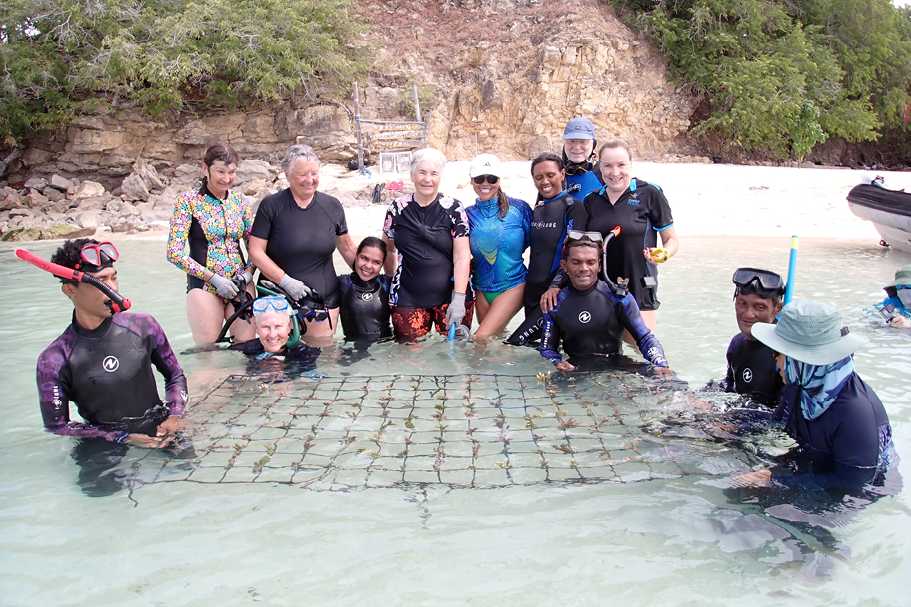
Projects can involve guests being invited to join coral planting activities in shallow water, working together in small groups. Participants would attach coral fragments to specially designed steel restoration structures under the guidance of local experts.
Once completed, the structures are carefully deployed by local restoration teams to reef sites at depths of approximately three to five metres. Those comfortable with freediving may also have the opportunity to assist with the deployment process.
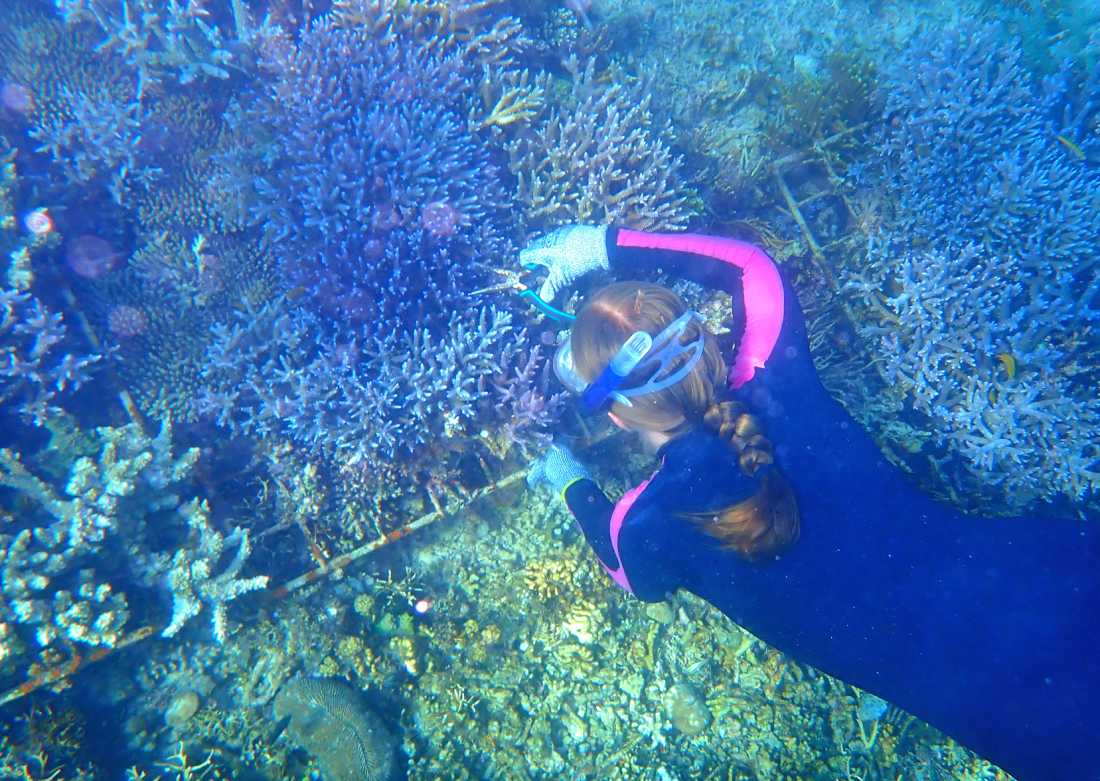
By learning how coral grows and understanding the role it will play in the future reef ecosystem, travellers gain a deeper appreciation of these underwater environments.
This opens up the destination as more than just a beautiful place to snorkel, swim, kayak or dive. It gives travellers a better understanding of the living ecosystem connected to communities, marine life and the need for ongoing conservation efforts to protect it for years to come.
How do corals reproduce?
Coral may look like rock or plants, but it's actually made up of tiny living animals called polyps. They support marine life, coastal communities and entire ecosystems.
During special times of the year, many coral species release millions of tiny eggs and sperm into the ocean in a synchronised event known as mass spawning. Carried by the currents, the resulting larvae eventually settle on the reef and begin growing into new coral colonies.
Another way corals reproduce is through fragmentation. If a piece of coral breaks off and settles in a suitable location, it can continue growing into a new colony as a clone of the original coral. This process helps reefs recover naturally and is often used in restoration projects.
These methods are useful for quickly growing and repairing parts of the reef, especially after damage.
Many restoration projects help accelerate this process by growing coral fragments in underwater nurseries and transplanting them onto damaged reefs.
Did you know?
The Coral Triangle, which includes Indonesia, is home to around 76% of the world's known coral species, making it one of the most biologically diverse marine regions on the planet.
How small ship expeditions fit into it all
The voyages offered by On Water Expeditions integrate conservation into many of their Indonesia itineraries.
Smaller vessels can access remote communities and lesser-visited coastlines where conservation projects are often taking place. They also allow for more personal interactions with local experts, guides and community leaders.
At On Water Expeditions, we believe protecting these environments is a shared responsibility. By partnering with local operators and organisations committed to responsible tourism and low-impact exploration, we aim to leave the places we visit better than when we found them.
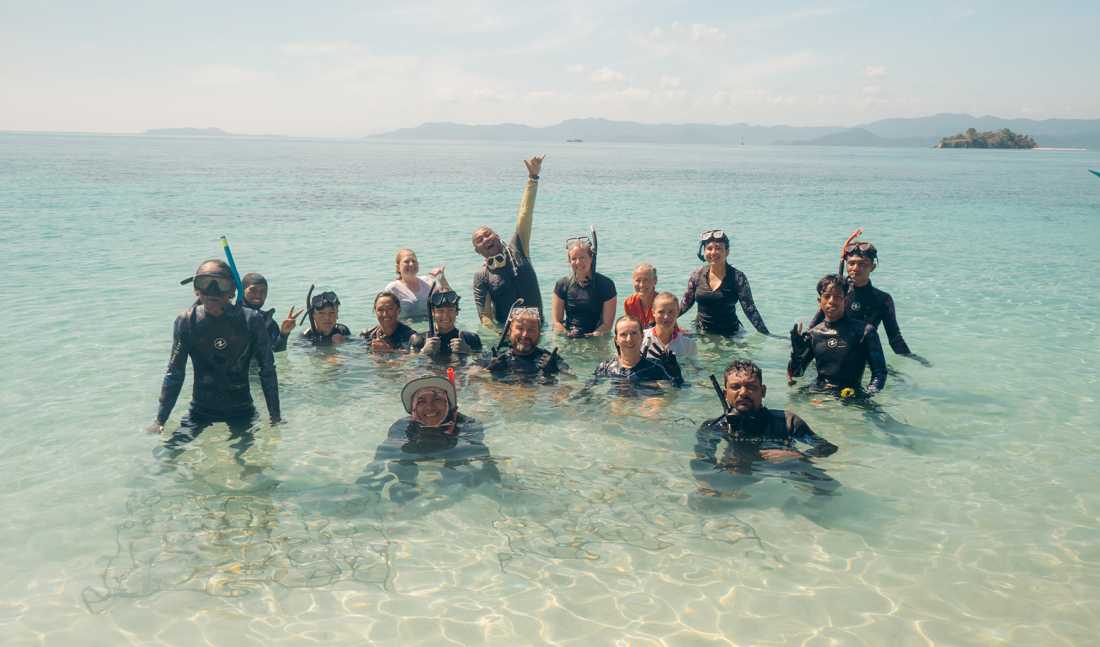
Through coral restoration programs, travellers gain a deeper understanding of the challenges these ecosystems face and the solutions being developed on the ground. While human impact has greatly affected reef ecosystems, we also have the ability to help restore them.
What trips feature coral restoration activities?
Coral restoration activities are currently featured across a growing number of Indonesian expedition voyages.
Opportunities may be available on itineraries visiting:
Including voyages exploring the region's coral reefs, whale shark habitats and the islands famous for their Komodo dragons. View trip →
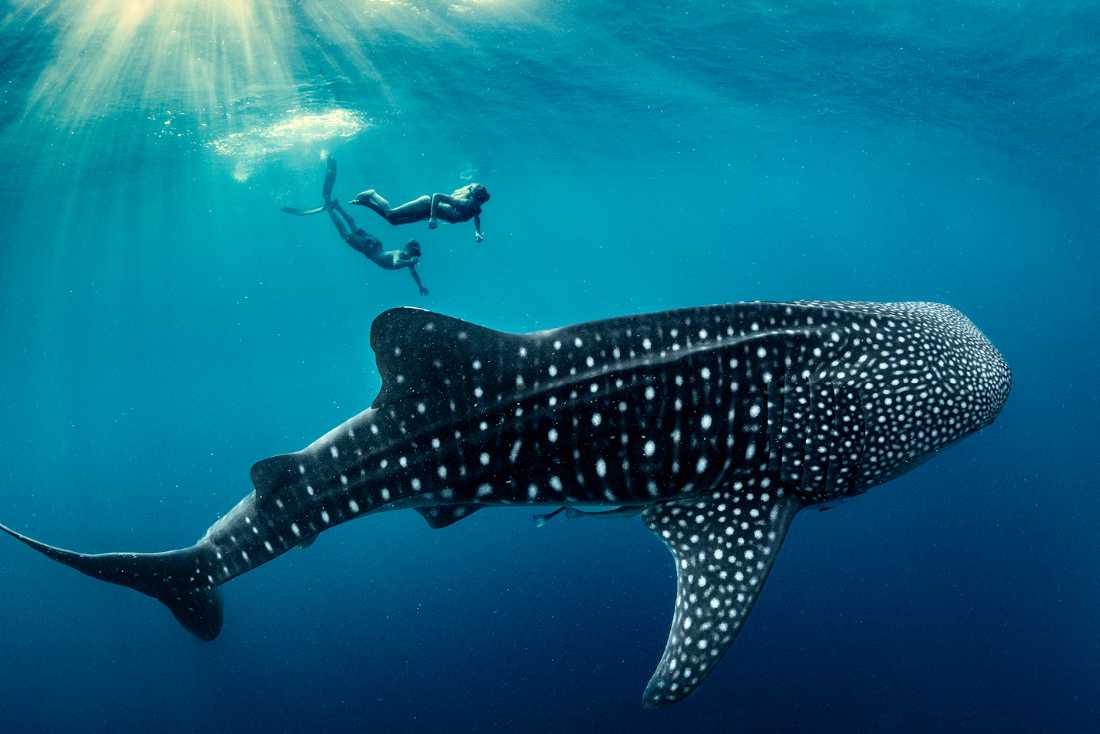
Including expeditions between Sorong and Kaimana, where some of Indonesia's most biodiverse marine ecosystems can be found. View trips →
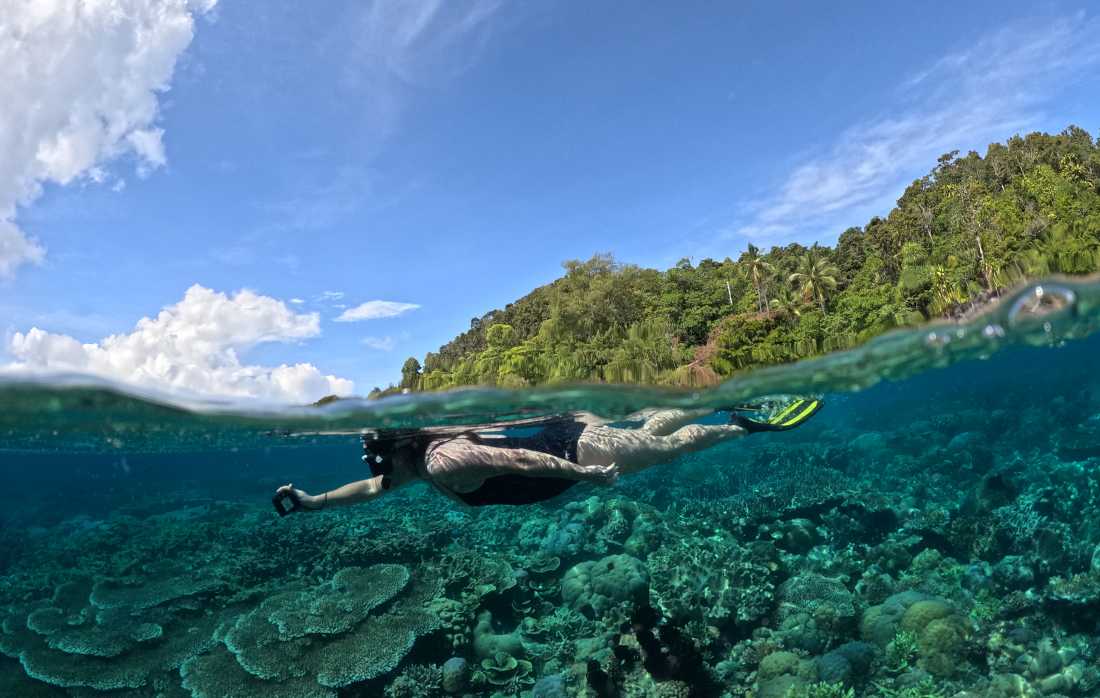
These journeys combine remote island exploration, marine wildlife and vibrant coral environments. View trips →
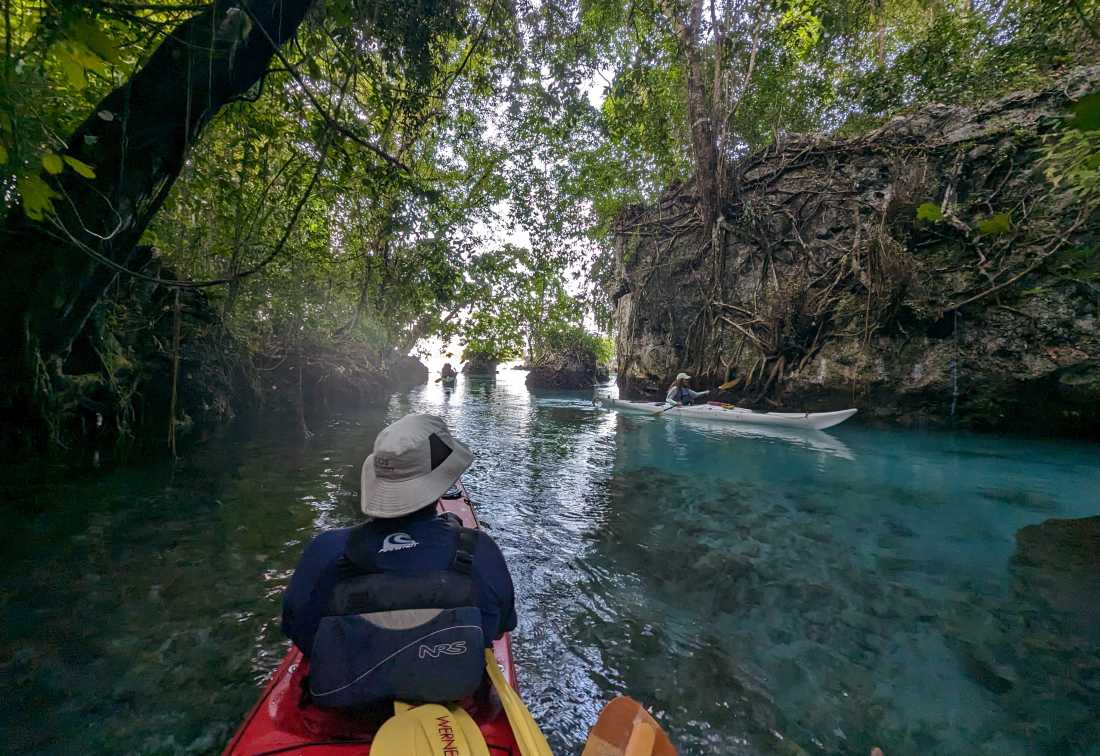
The opportunity to engage with local conservation communities working to protect it while surrounded by some of the world's most spectacular seascapes, is a highly rewarding experience.
Why join a coral restoration experience?
- Learn from local conservation leaders and marine experts
- Develop a deeper understanding of Indonesia's reef ecosystems
- Participate in hands-on coral planting activities
- Support grassroots community restoration initiatives
- Experience marine conservation as part of your expedition journey
For many guests, the connection continues long after the voyage ends, allowing them to follow the progress of restoration projects and support the communities behind them.
Like many of the best moments in travel, the impact is often found in the smallest details: the opportunity to leave with a deeper understanding of the ocean and your place within it.
Sometimes that's where lasting conservation begins.