Blog home / A first-timer's guide to kayaking in Palau
If you've ever thought, "I'd love to go, but I'm not a kayaker," let's paddle those concerns away.
It's a common question we get asked about our expedition to Palau, and the answer is reassuring: you don't need previous kayaking experience.
Here's a simple guide to help you set the right expectations and feel prepared, so you have the confidence to explore one of the world's most pristine island archipelagos by kayak.
Do I need to be especially fit?
A reasonable level of general fitness helps, but you don't need to be an athlete. It's comparable to brisk walking or cycling, so if you can manage either, you can manage gentle kayaking.
It does help if you've paddled before, but it's not the be-all and end-all.
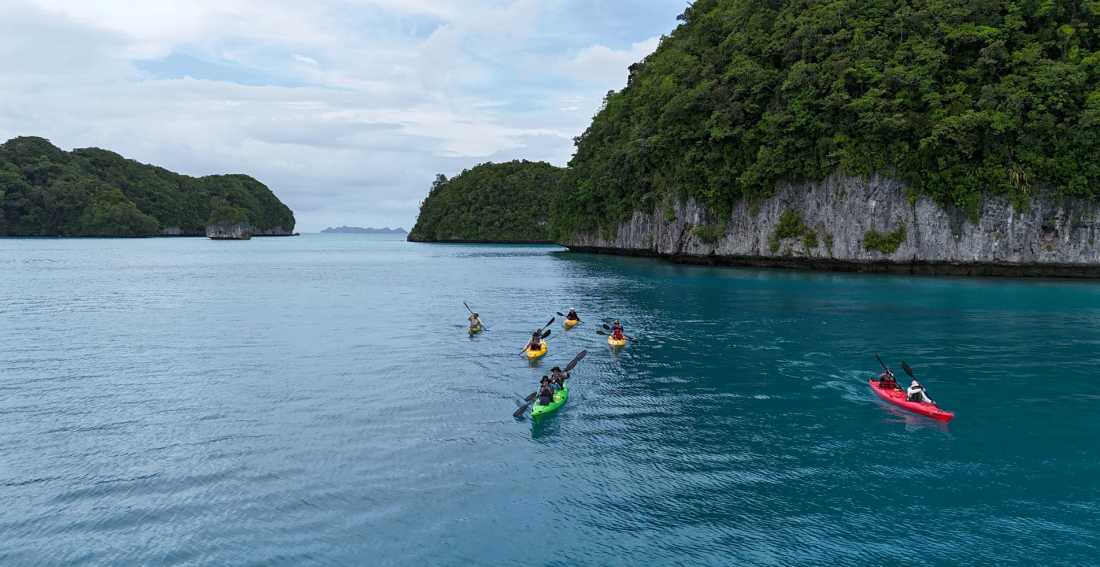
What you'll find during your week in Palau is that your time in the water is flexible, with the pace set by you. So the activities can scale to what you want to take on. You can embark on long paddles when you're feeling energised or swap the kayak for a snorkel or swim, and you will be supported at every point in between.
If you haven't paddled in a while, a bit of practice beforehand, such as swimming, will make the week more enjoyable.
Will there be a practice session?
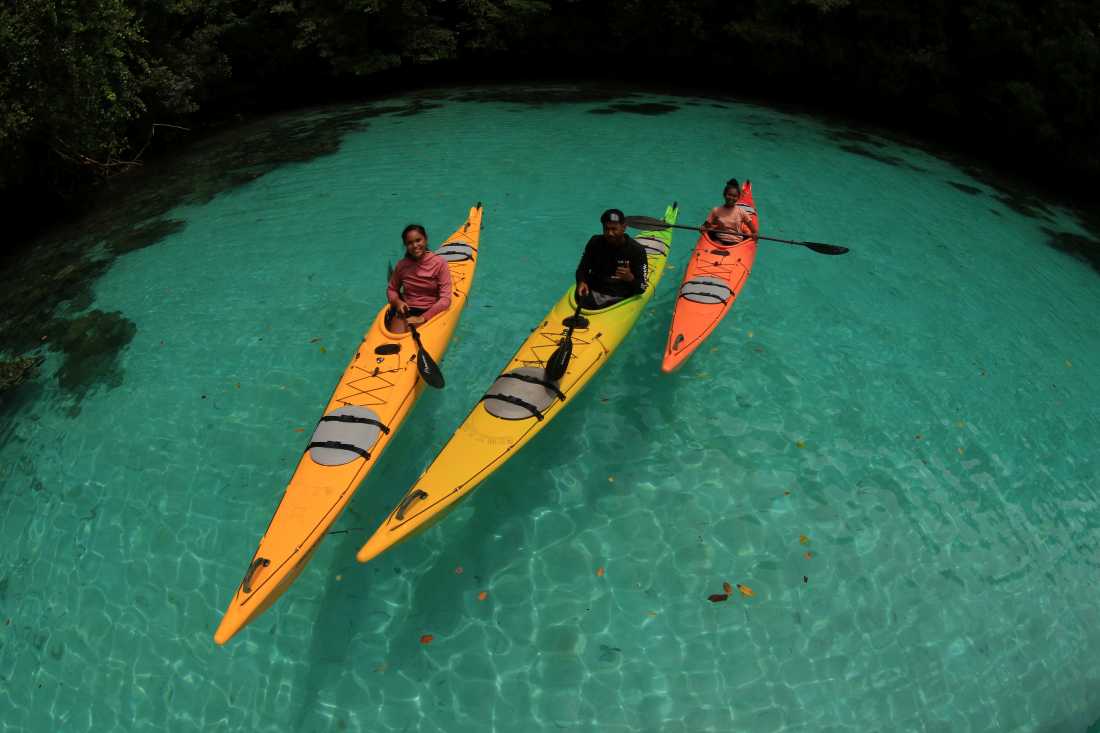
Your first day starts with a relaxed briefing on land, some kayak fitting and a short practice paddle in calm water before setting off. Most guests paddle in stable double kayaks, which is exactly what we'd recommend for a first-timer. It makes it easier to share the effort and navigation, while also enjoying the journey with a friend.
You don't need perfect technique, just a sense of adventure and a willingness to give it a go. So if you can manage a paddle stroke and you're comfortable being on the water, you'll be fine.
What if I'd rather snorkel than paddle all day?
That's completely fine, and it's one of the best things about how these trips are run. If a long kayak isn't your thing on a given day, the tender can take you straight to a snorkelling spot and bring you back to the boat later. Every kayak comes with snorkel gear, so if we pass a spot that looks good, you have the opportunity to stop and get in the water.
So if you'd rather do a shorter paddle and spend the rest of the time reading on deck, that's also welcome.
How far do you actually paddle?
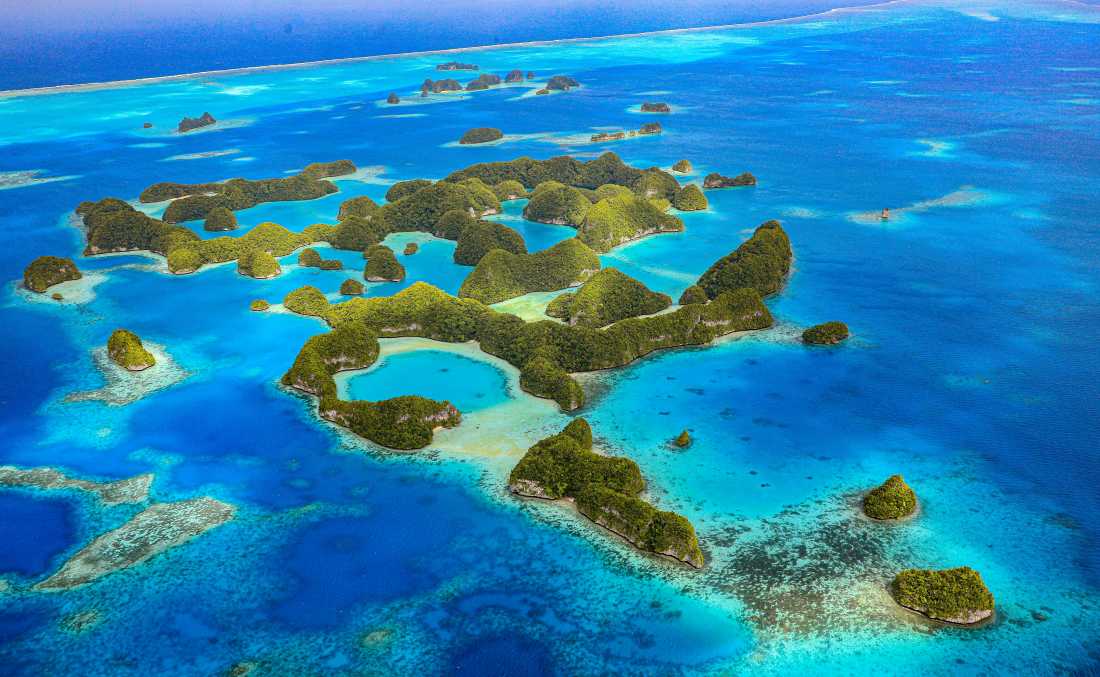
A typical day works out to around four to six hours in the kayak, split across two outings, and can cover somewhere between 12 and 18 kilometres. While that may sound like a lot in writing, in practice, you'll find the water is generally calm and there is always a tender nearby. So if you wanted to stop, you stopped. If you wanted to keep going, you kept going. Nobody is locked into finishing a set distance.
Is it safe if I'm not a strong swimmer?
You should be comfortable in the water and able to swim, though you generally don't need to be a super-strong or fast swimmer. Life jackets are available, and something people don't always think to ask about are the inflatable noodles. If you're not confident swimming around for long stretches, you can hang on to a noodle and just drift with the current alongside everyone else.
What's a typical day like?
A typical day might begin with an early morning kayak or snorkel session, followed by a refreshing swim before lunch back on board or on a secluded beach. In the afternoon, you could head out for another paddle, take a short bushwalk or make a cultural visit, depending on the day's plans.
Each evening, your guide will gather the group for a debrief, recapping the day's highlights, sharing insights into the marine life, history and culture you've encountered, and outlining what's in store for the following day. Each day's activity is generally chalked up on a whiteboard, so you'd always know what to bring and what was ahead.
You can view a detailed itinerary on the trip page.
What should I pack for my kayaking trip?
Swimwear, reef shoes, a hat, sun protection, and a lot less than you'd think. Your shoes will most likely come off the moment you step aboard and barely go back on until you're ashore for a walk. Bring a dry bag for your camera or phone if you're taking one out on the kayak. With a bulk of the inclusion covered in our Palau Kayak, Snorkel & Dive trip, you won't have much to worry about once you set sail.
If I'd like to do some diving, do I need a licence?
Yes, if you want to scuba dive, you do need to be qualified. Our Palau expeditions do not offer learn-to-dive courses, and you'll need to bring proof of your certification, dive insurance, and a record of your recent dives before you're allowed in the water with a tank.
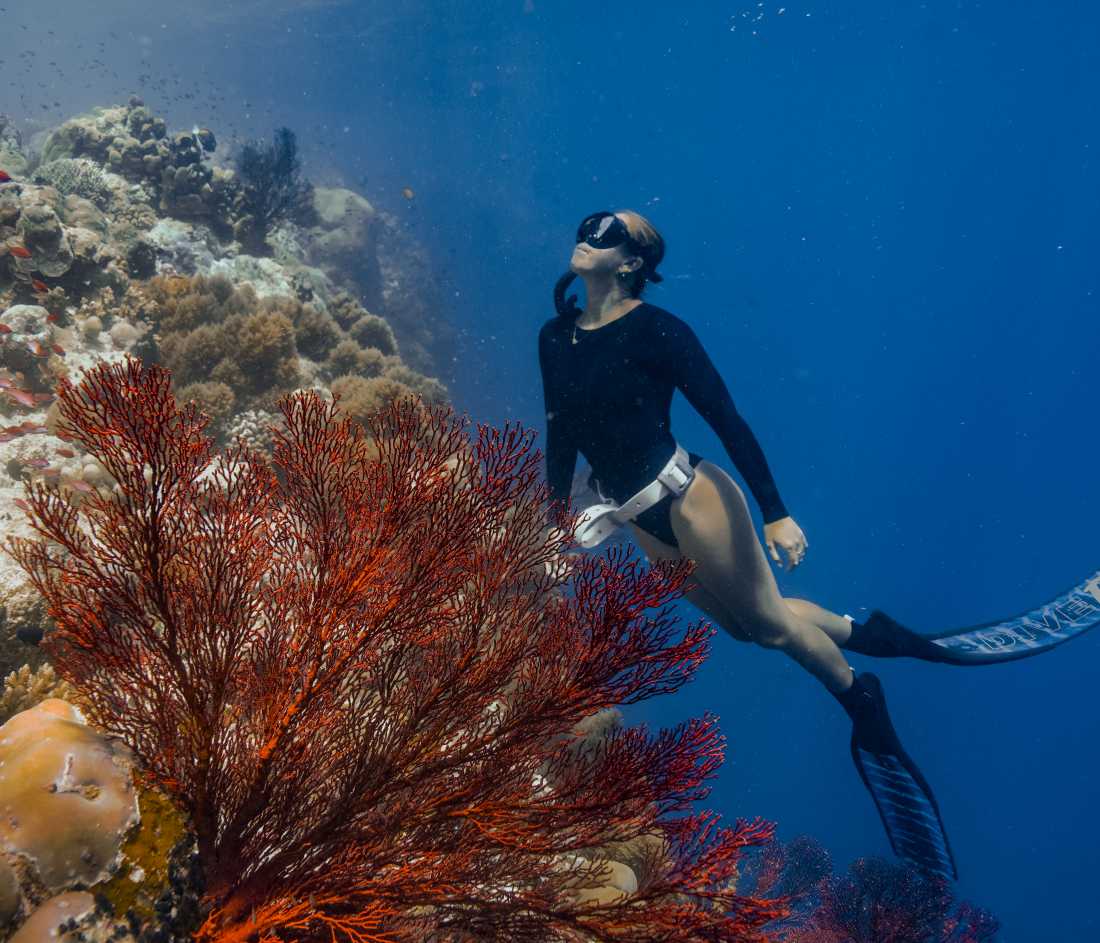
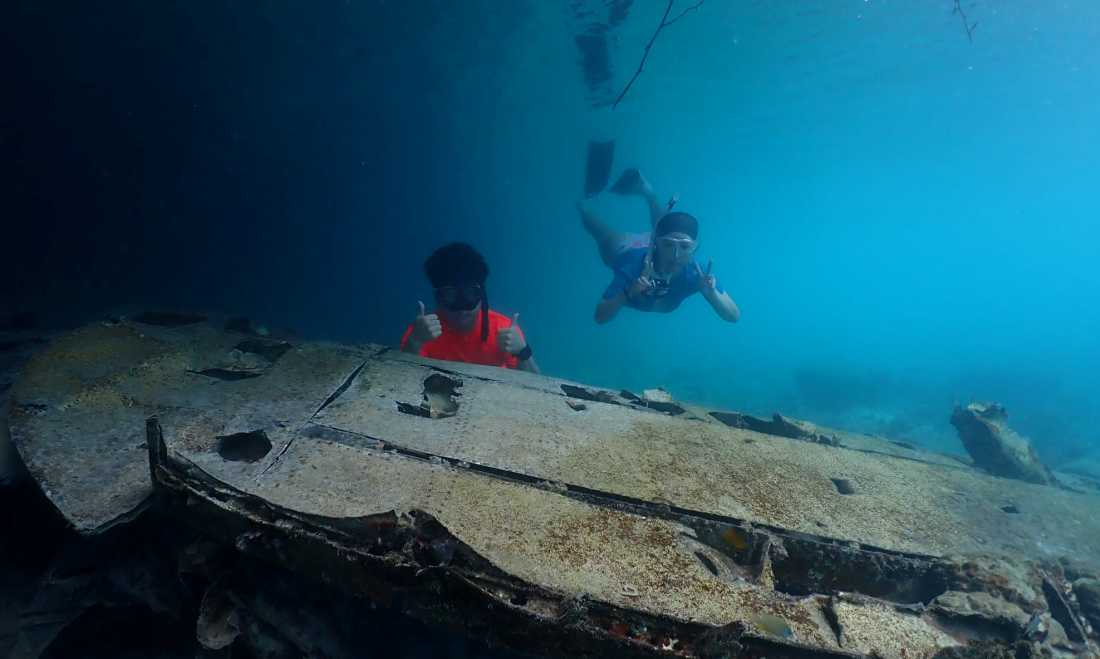
But diving is not the only way to see what's below the stunning surface of the Palau islands. Free diving is an option on some sites, and can be shallower than expected. And you will still be able to see plenty when snorkelling around the surface.
What are the cabins like aboard Palau Siren?
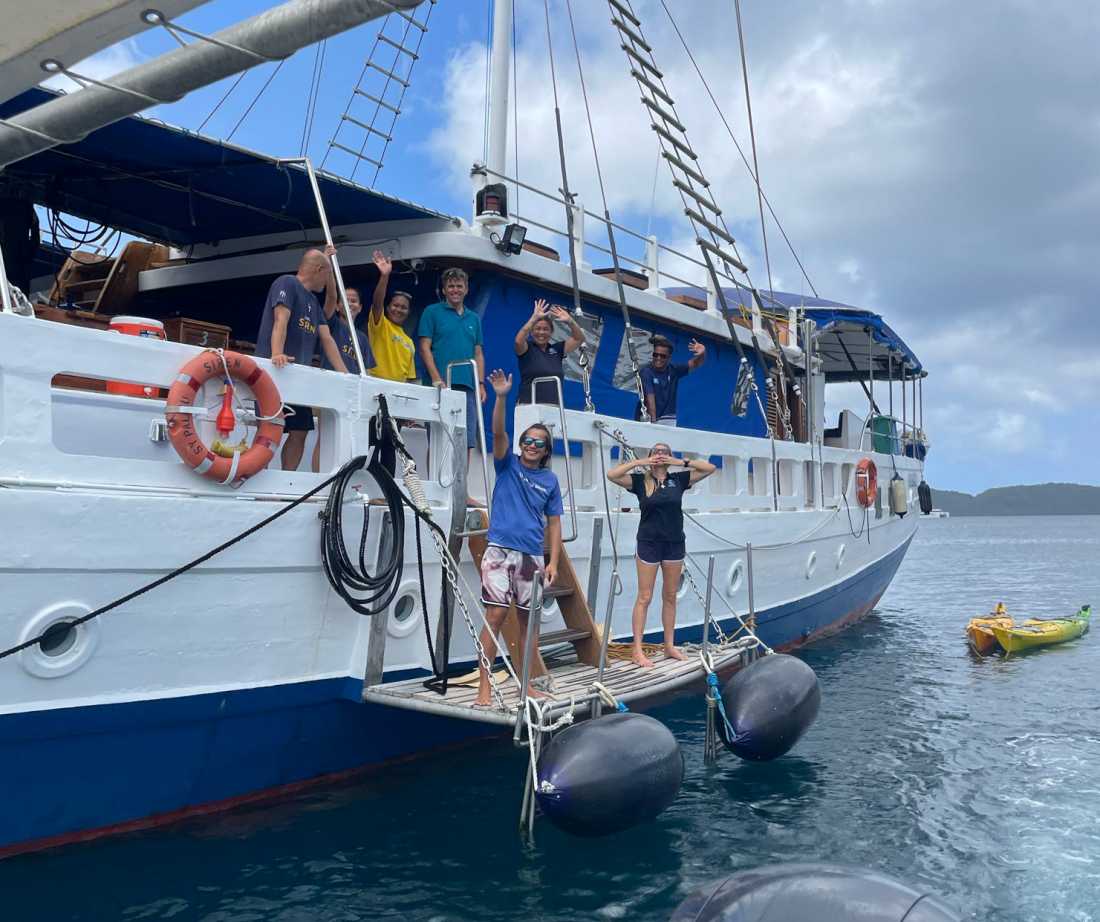
The Palau Siren ship has eight comfortable double-occupancy cabins, accommodating up to 16 guests. Each cabin offers a choice of double or twin beds; 2 cabins are flexible double/twin. All cabins have individually controlled air conditioning and ensuite bathrooms with hot water.
The covered outdoor dining area provides a great setting for all your meals, and the spacious air-conditioned saloon offers a cocktail bar, comfortable seating, and a large flat-screen TV. The saloon also has designated areas for charging and preparing your camera and video equipment.
There's no dedicated single cabin on board, but solo travellers aren't charged extra by default. Instead, you'll be matched with another traveller of the same gender for the week, and if there's no one to match you with, you get the cabin to yourself at no extra cost. If you'd simply rather guarantee your own space from the outset, a single supplement is payable.
What do I need to sort out before I arrive in Palau?
There are a few practical bits worth knowing. Most nationalities, including Australians, can get a 30-day visa on arrival at Palau's airport. You'll need to complete an online Palau Entry Form up to 72 hours prior to arrival.
On arrival, everyone signs the Palau Pledge, stamped straight into your passport — a commitment to protect the environment and respect local traditions during your stay.
When you leave, there's a departure tax and an environmental fee to budget for, on top of an online entry form you complete before you arrive. None of it is complicated, just worth knowing about in advance.
Always check the Palau government website and Palau Visitor’s Authority website for the most up-to-date visa and arrival information, as entry and exit conditions can change.
If you're on the fence about whether you're "the kayaking type", take it from someone who wasn't sure either; Palau is about as forgiving a place as you'll find to test that out with an experienced crew to back you. So get there if you can.
Curious about what else to expect on your expedition to Palau? Read our blog on Exploring Palau’s Hidden Waters: What you need to know.