Guate water project | J Thomas
Blog home / Working Together for Regeneration: Clean Water for Schools in Guatemala
At the heart of the Regenerative 2030 Project is a simple idea: that travel can be a force for good.
Regenerative 2030 is a bold commitment by the World Expeditions Foundation to integrate meaningful, place-based projects into every one of our operations by the end of this decade. We donate $5 for every booking to the World Expeditions Foundation in order to fund these projects. Together, we are helping improve lives and restore ecosystems in tangible, lasting ways.
One project is underway in the rural Guatemalan village of Xeparquiy, where access to clean water is still a daily challenge for many families. With more than 5,000 schools across Guatemala still lacking safe drinking water, the opportunity to create a lasting impact is both urgent and full of promise.
Children miss school because of illness. Families spend money on medicine that could have been used elsewhere. A lack of basic sanitation affects both health and opportunity.
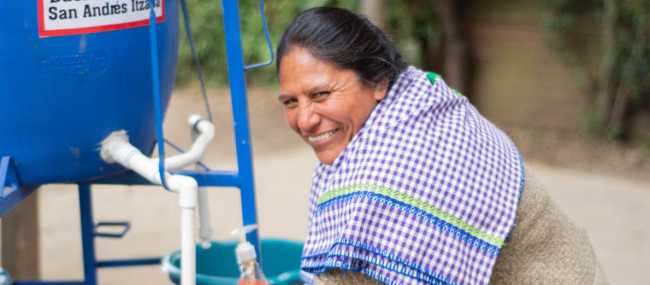
That is where Los Buenos Vecinos, or The Good Neighbours, come in. This small, committed Guatemalan NGO has been working for years to bring safe water to their communities. Their approach is simple and deeply rooted in local knowledge. By using Biosand filters based on traditional Mayan water filtration methods, they are transforming contaminated well water into clean water that is safe for drinking and handwashing.
In partnership with the World Expeditions Foundation, the Biosand School Water Filter Project will fund the installation of one large Biosand filter at the Xeparquiy Village School. Alongside the filter, new handwashing stations will be installed, and hygiene training will be delivered to students and teachers. Importantly, the project includes long-term monitoring and follow-up to ensure that the filters continue working effectively and that the health benefits last.
The ripple effects of this work are powerful. Children who have access to clean water are more likely to stay in school. Families spend less on medical care. School communities develop greater awareness of hygiene and environmental protection. The project also reduces plastic waste by decreasing the reliance on bottled water, with one filter avoiding the use of more than 5,000 plastic bottles each year.
This initiative addresses a range of United Nations Sustainable Development Goals, including clean water and sanitation, quality education, and good health and wellbeing. It is a small project with far-reaching impact, and it reflects the essence of what Regenerative 2030 is all about.
Travellers who are visiting Guatemala can take this connection one step further. With the support of Los Buenos Vecinos, it is possible to volunteer at their workshop in San Andres Itzapa, helping to build Biosand filters for use in local schools. Spanish-speaking visitors may also assist in hygiene education and monitoring programs. These opportunities provide a meaningful way to give back while gaining deeper insight into life in rural Guatemala.
By working alongside local communities and supporting grassroots solutions, Regenerative 2030 aims to build a future where travel contributes to the resilience of people and places. Projects like this one in Xeparquiy remind us that even a single filter can change hundreds of lives.
When we travel with intention, we can do more than explore – we can contribute to something greater. Learn how our Thoughtful Travel initiatives are shaping a better future →